

High School After School Culinary Program
Our 12 Course Online High School After School Culinary Program offers students a unique opportunity to explore the art of cooking in a flexible online environment. Participants will learn essential culinary, from basic techniques to advanced recipes, while an understanding of nutrition and food safety. This program encourages in the kitchen, allowing students to experiment with diverse cuisines and flavors. Join us to ignite your passion for cooking and enhance your culinary knowledge!
Knife Skills & Kitchen Tools

Students are introduced to essential knife types, knife safety, maintenance, and proper handling techniques. They practice basic cuts (dice, julienne, mince, chiffonade) and learn how to sharpen and store knives. The course also covers the safe use of common kitchen tools such as mandolins, peelers, and graters.
Food & Kitchen Safety

This foundational course focuses on sanitation, hygiene, and best practices in food handling. Students learn to prevent foodborne illnesses, understand cross-contamination, and apply HACCP principles.
Dry-Heat Cooking Methods

Students explore techniques that use air or fat to transfer heat—such as sautéing, roasting, grilling, frying, and baking. This course emphasizes heat control, browning reactions, and texture development.
Moist-Heat Cooking Methods

This course covers methods that use liquid to cook food, such as boiling, simmering, poaching, braising, and steaming. Students understand how to cook proteins and vegetables while preserving moisture and nutrients.
Stocks, Soups & Sauces

The course teaches students how to create foundational stocks (vegetable, chicken, beef), and build upon them to make soups and classic sauces (béchamel, velouté, espagnole, tomato, hollandaise).
Vegetables & Starches
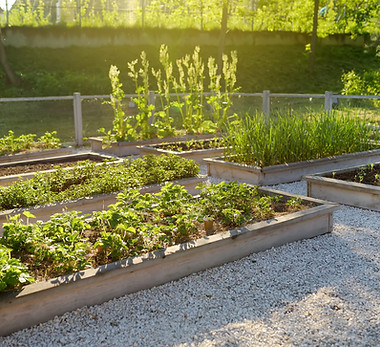
Students learn how to select, store, and cook vegetables, rice, grains, legumes, and pasta. This includes dry and moist methods for various plant-based ingredients.
Salads, Dressings & Seasoning

This course emphasizes balance in flavor and texture through salads and dressings. Students learn how to make vinaigrettes and emulsified dressings and season dishes with herbs, spices, and acids.
Breakfast & Eggs

A deep dive into egg-based cooking techniques—boiling, poaching, scrambling, frying, omelets, and frittatas. The course also covers breakfast classics and cooking methods for consistency and timing.
Protein Fundamentals: Meat, Poultry & Fish

This course covers meat cuts, cooking temperatures, and methods for beef, pork, poultry, and seafood. Students learn how to handle raw protein safely and apply techniques like roasting, grilling, and pan-frying.
Baking & Pastry Fundamentals

Students are introduced to baking science, including gluten development, leavening agents, and mixing methods. Recipes include quick breads, yeast breads, pâte à choux, tarts, custards, and soufflés.
Plating & Presentation

The focus is on the visual appeal of dishes. Students learn to arrange food with attention to balance, color, height, and texture. Garnishing and modern plating techniques are covered.
Nutrition & Dietary Preferences

Students explore basic nutritional science and its application in recipe development. The course covers dietary restrictions, allergens, plant-based diets, and how to prepare balanced meals.